At the start of October I slipped open the squeaky door of the little classroom in the Hathersfield Community Centre. Inside the air was thick with chalk dust and the faint scent of old plaster. A solitary overhead lamp swung gently from the ceiling, and a fine film of condensation clung to the windows. I set a bundle of coloured markers on the teachers desk and moved to the back wall, taking in the modest space that had become my second home each evening.
By day I taught English literature at the adult evening school, but three nights a week I stayed on voluntarily to run free Russian lessons for adult migrants. No official notices advertised the classes; the council claimed that quotabased courses were already provided, yet the waiting lists stretched for months. So people from Poland, Romania and Bulgaria found their way to me, usually through friends or a quick message on WhatsApp.
I stood at the blackboard and recalled each name: Fatima, who slowly but surely began to grasp the Russian cases; Ahmed, the longhaul driver with bright eyes; old Marek, clutching a battered pocket dictionary. They arrived after long shifts on construction sites or in bakeries, gathering at seven oclock when the street lamps were just flickering on. My back ached a little, but the moment I heard the first tentative Good evening, the fatigue faded.
Every pupil received a notebook I had sewn together. The paper came from my neighbour, the local librarian, who understood that the courses budget was pure enthusiasm. On the first page I glued in little flags as bookmarks: the alphabet, a vowelconsonant chart, a table of motion verbs. I explained the rules slowly, using everyday examples the price of a loaf, the bus route, a No Smoking sign. We all laughed when someone mixed up still and already. That laugh was essential; without it the language never settled on the ear.
By midOctober the leaves outside turned a burnt amber. The evening sky sank low, and a thin plume of cold smoke drifted from the bricktiled roof of the village. In the second session I suggested we act out a short scene titled Buying a Train Ticket. Quiet Karim addressed the cashier as Madam, and the class roared with approval, praising his politeness. Small victories were noted on a shared sheet: each new verb earned a tick and the date.
I trudged home late, the last bus emptying out. In my phone I reread messages in the group chat: Thank you, teacher. I managed to explain to my foreman that I need a day off. Those words lifted me more than any cup of tea.
The course grew, and soon I needed extra chairs. The centres caretaker, a grimlooking silverhaired man, handed me ten folding stools. He muttered something about the room being for village fêtes, not for outsiders to sit, but still helped haul the furniture in. I smoothed over his grumble with a smile and a thankyou; his irritation was nothing more than a mutter.
By the end of October the nightwatchwoman left a crumpled note on my desk: Enough of these guest workers. Its nasty to walk past them each evening. The handwriting was squeezed from a cheap ballpoint pen. I squeezed the paper in my hand but didnt tear it. It struck me that if anyone was willing to write such words, the discontent had been simmering for a while.
That same evening, as the lesson ended, a group of teenagers lingered by the door. One of them flung a plastic bottle onto the steps and shouted, Why do you teach our mums for free when they cant find work? His voice cracked, and he seemed unsure about stepping closer. I replied calmly that everyone was looking for a chance to speak Russian so they could work honestly. I walked past, keeping my back straight, though a cold knot settled in my stomach.
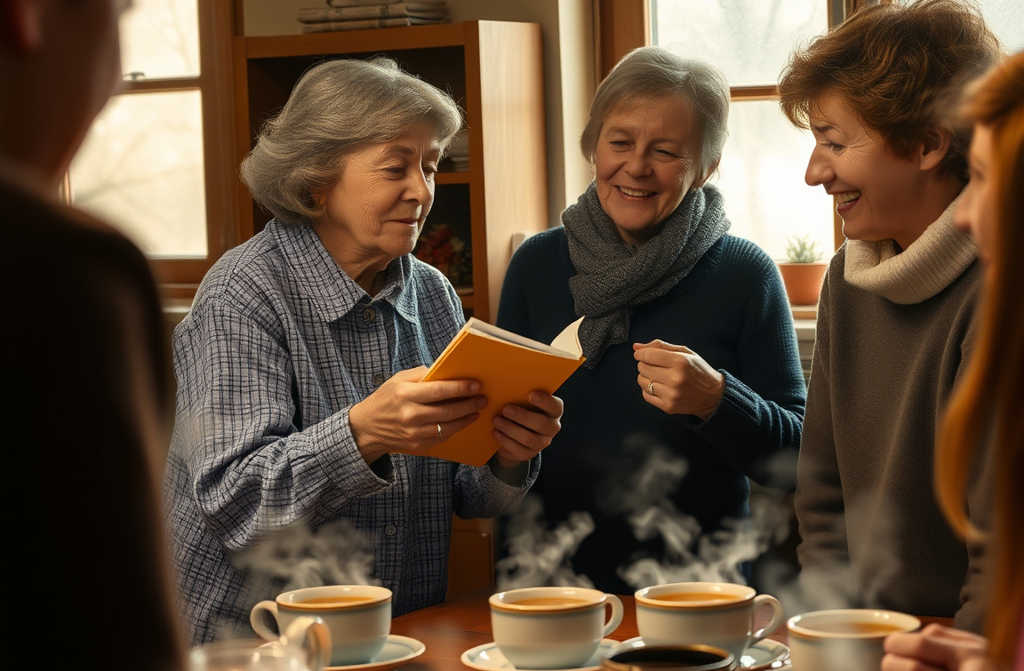
From November onwards, frost lingered on the lawns until midday. The room grew chilly, so I brought a portable electric heater from home. The students arrived with thermoses of hot green tea, placing their mugs on the desks and offering the first sip to me. The simple warmth of the cups loosened our fingers and our conversation.
In the fourth week a police constable dropped in during a break, just as the learners were repeating yesterday today tomorrow. He stood in the doorway and asked sharply, On what authority are you holding these meetings? I handed him the rental agreement for the hall, paid out of my own pocket. He examined the stamp, gave a short grunt, and left, but the atmosphere grew heavier.
After his visit the nightwatchwoman began rechecking passports of everyone entering. The men lingered awkwardly at the gate, often missing the start of the lesson. The pace faltered, a tension crept into our chatter. I tried to lighten the mood with a round of Russian tonguetwisters, but the unease hid behind forced smiles.
Meanwhile the learners shared their stories. Fatima lamented that a shop owner forced her to pay for a preemployment course, only to dismiss her a week later. Karim told how the market raised his stall rent because he wasnt local. Their accounts made my fingers turn white around the marker. Language was only one front of their struggle, but it gave them a voice.
First frosts turned puddles into brittle sheets of ice. A night wind sliced through the narrow courtyard of the centre, whistling among bare branches. I went up to the notice board to pin a fresh schedule, attaching the sheet with pushpins. From across the hall I saw a woman on the phone, shouting something about what theyve forgotten and where the council is looking. I realised the conversation was about me.
With each session a new sign of hostility appeared. Someone left a cracked egg smeared across a window frame. A guard passing by muttered, Cant breathe here with all your spices. I called him into the hallway and calmly explained that these people spent their last pound to learn the language of the country they work in. He narrowed his eyes, but the next morning he still glared.
Despite the low hum of discontent, the class kept growing. Two brothers who worked as fitters turned up, bringing a seamstress friend. I pushed the stools closer together, moved the desk to the wall, and cleared a larger circle for us to sit. We began debating short news itemsnothing politicalexplaining the unfamiliar words. The learners learned to argue in Russian while keeping respect. I watched their shoulders straighten as they found the right term.
In early December, on the darkest evening, snow drifted down in thin, lazy flakes. Minutes before the lesson I was carrying fresh cards to the board when the front door slammed shut. The noise echoed up the stairs. Four men burst intwo in work overalls, two in heavy parkas. Their faces were flushed with cold and anger.
Enough of this nonsense! the tallest shouted, marching to the front desk and upending a chair. This is our community centre, our taxes! We dont want illegal workers here.
A stunned silence fell. Marek rose, then lowered his eyes, remembering my request not to argue. I stepped to the centre of the room, hand pressed to my chest, heart hammering. There was nowhere to run, no retreat.
In a steady voice I said, The room is officially rented. If you disturb the peace, Ill call the police. The men exchanged glances but didnt move. One shoved the desk, sending markers scattering. I pulled my phone from my bag, switched to speaker, and dialled the centres director, Mr. Sinclair.
Sinclair, please come up to the third floor immediately. Theres an attempt to disrupt a lesson, I told him, as if reporting a test paper. He heard the commotion, promised to send security, and said he would come himself.
Minutes stretched until the security guard arrived. He stood in the doorway, holding back the rowdy intruders. The director, stern, read from the community centres charter: the premises may be let to any citizen with a proper agreement. He added that voluntary classes benefit the town because a literate worker respects the rules and integrates more easily. His words rang like a shield for me.
Not all the men were swayed, but their resolve waned. They eventually left, leaving behind the smell of damp snow and lingering tension. The hallway fell quiet, and I let out a long breath, set the chair back, and gathered the markers.
The pupils sat in silence. Fatima asked, Will we continue? I nodded. Of course. Todays topic is the past tense. I wrote large on the board, I defended us. The marker trembled, but the letters came out straight. Outside, the first decisive snow began to fall, and there was no turning back.
After the clash I walked home, listening to the crackle of fresh snow under my boots, replaying the nights events. The directors support was tangible, yet a nervous edge remained. That evening I opened the group chat and typed, Thanks for staying. Well keep the lessons going as before.
The next night I addressed the local parish council, delivering a brief speech about my learners and the importance of giving them a chance to learn the language, fostering integration. Some councillors backed me, noting that neighbourhood harmony rests on mutual respect and understanding.
Gradually a circle of support formed around me. The local MP, once a schoolteacher, suggested we formalise the courses as an official educational initiative. That meant gathering signatures and filing paperwork properly.
Meanwhile the lessons continued. A new desk lamp and the donated heater made the room warmer. In the centre of the table sat a tin of biscuits, a thankyou gift from one of the students. Each session blended grammar drills with personal stories that bound us together.
A few weeks later, on my suggestion, the town library hosted a small exhibition of photographs showing my pupils with their workspelling tests, drawings, notes. The display sparked interest among residents; many saw, for the first time, the faces of people living next door who were learning to rebuild their lives.
Attitudes began to shift. An elderly neighbour stopped me on the high street and said, Youre right, you know. When my son went off to university I worried he wouldnt be understood Her words held both regret and reconciliation.
The courses had become a staple of community life. The centre now hosted evening tea gatherings, discussions of everyday matters, and cultural exchanges. The towns night air took on a new, friendlier tone.
I knew one battle would not end everything. Bureaucratic hurdles lay ahead, and new challenges would arise, but I now had many allies. Looking at the learners, I saw not just students but friends.
Sunlight filtered through the window, teasing the white snow outside. After class, while I was grading papers, Karim approached with a grin, handing me a flyer hed drafted: Open lesson for anyone interested. That modest notice became a symbol of change.
I pinned the invitation to the board and said, Lets welcome everyone who wants to understand and be understood. The pupils nodded, their eyes lighting up with determined agreement.
Late that night I walked home, the moonlight scattering over the drifts. I felt a quiet pride. The road ahead would still be rough, but this was only the beginningfor me, for my students, for the whole community.