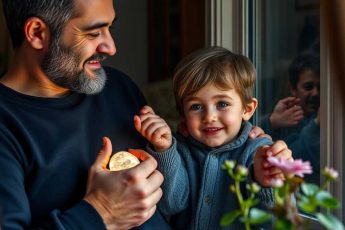
A memory of steps taken
Eleanor rose before dawn, while the bedroom was still lit by a faint grey glow. In the kitchen she set the kettle on and glanced out at the courtyard: on the oak tree by the flats entrance the first leaves were already tinged yellow, and a pale mist hung over the cobblestones.
Half a year earlier, over evening tea, she and her husband George had agreed to become a fostering family. Among the many files a lanky teenager with wary blue eyes caught their attention. The little ones are placed faster, and at fifteen his chances are slim, George had said then. Medical checks, interviews and a course for foster carers took months, and each authority repeated: Dont expect miracles, help will come, but the road will be hard.
George was fortyeight, working shiftwise as an engineer at the railway depot. Eleanor was a teaching fellow at a nearby college. By six oclock she was usually free. Their life ran on a steady rhythm: work, Sunday walks, discount cinema nights. It was that orderly existence that suddenly seemed fragile. Now or never, George murmured, signing the final report.
At the end of August the couple drove to the childrens home. The interview room smelled of disinfectant and cooled porridge. The boy sat on the windowsill, swinging his foot in a wornout sneaker, answering in monosyllables. A joke about cassette players earned only a shrug. On the way back George squeezed Eleanors handwords failed them.
A separate bedroom was prepared for Thomas: the walls painted a soft bluegrey, a desk and a new bed set up, and a tiny speaker left as a music gift. On the desk lay a clean notebook and a pen.
The childrens home van arrived at their building around noon. The driver unloaded two bags and a scuffed backpack. Thomas walked down the corridor without a word, placed the bags against the wall and clutched the backpack to his chest. Its yours now, Eleanor whispered. He nodded, equally speechless.
At lunchsoup and chicken pattiesThomas ate quickly, avoiding eye contact. George talked about the school where his transfer had already been arranged; Eleanor mentioned the regional allowance: These are your funds, well spend them together. His only reply was a hollow, Can we skip the firstdayofschool ruler? Eleanor answered softly, We must.
EarlySeptember rain brought dampness. Within a week friction began. Thomas started coming home late, saying hed been out with his mates. Once he forgot his key, leaving Eleanor waiting at the door and missing the staff meeting. George suggested they assemble a computer for the school club, but the teenager was glued to his phone screen.
The night before the weekend a box of sweets vanished. Eleanor asked gently what had happened. Buy a new one, Thomas muttered, retreating to his room and slamming the lock. George reminded him of mutual respect, but the words fell flat.
School troubles grew. The class teacher called Eleanor almost daily with reports of tardiness and classroom disputes. Thomas hid his diary beneath the mattress, claiming he was not obliged to obey stupid rules. The official fostering papers offered little comfort when a tired teenager sat behind headphones.
By midSeptember the flat grew chilly. The radiators were not due to be switched on until after the fifteenth. George boiled the kettle, Eleanor wrapped herself in an old cardigan, Thomas sat behind a closed door under a desk lamp. Each of them felt the cold in their own way.
One Saturday at dawn a dull knock roused Eleanor. In Thomass room his backpack lay open, clothes strewn about. Barefoot, he rummaged through a side pocket. Looking for a charger, he said without meeting her gaze. An hour later Eleanor discovered two hundred pounds missing from the wallet on the shelf.
The couple called Thomas for a talk. Did you see the money? George asked. No, Thomas answered. Eleanor tried to soften the tone: If you took it, tell us and well sort it out together. He stayed silent, arms crossed. Then George said firmly, In our house we dont take what isnt ours. Thomas exploded, This isnt my home! You act all kind, then youll still hand me over! He bolted for the door and sprinted onto the landing. George caught him, gripping his sleeve. A draft slipped in through the cracked window. Give the money back and well talk, George said. I didnt take it, Thomas snapped, and the bills slipped from his pocket. George stepped back, realizing his harshness, while Eleanor, standing in the doorway, felt the cold bite of an irretrievable loss.
Thomas lifted the money and handed it to Eleanor. His lips trembled. You still wont believe me, he whispered. In that instant Eleanor decided the conversation must happen at once. She gestured for both of them inside.
The draught ceased as the door shut. Still clutching the notes, Eleanor moved to the kitchen and placed them on the edge of the table. Have a seat, she offered. George and Thomas lowered themselves onto stools; tension lingered in the air, but now it was shared among the three of them.
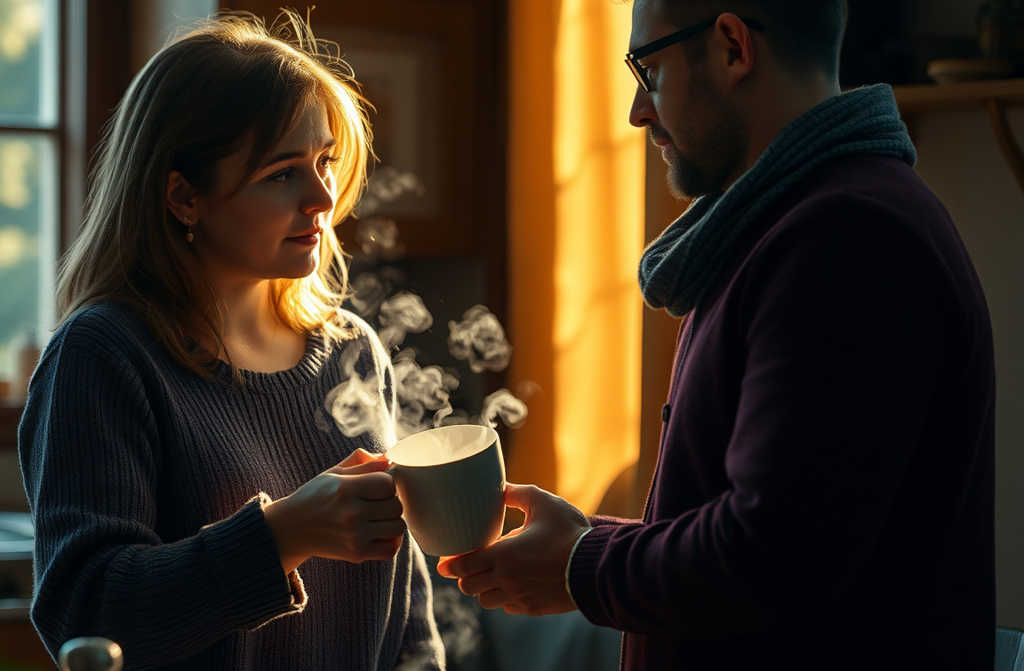
Eleanor poured hot tea. Warm steam rose above the cups, marking the boundary of a new scene. Were here because we chose you deliberately, she began, keeping her voice steady. We all make mistakes, but running away isnt the answer.
George nodded quietly. I was scared youd decide we didnt matter. The real fear was losing you before anything began.
Thomas looked away, fidgeted with the strap of his backpack and exhaled, I wanted to show the lads I had money, thought theyd accept me. Now I see Ive messed up.
Eleanor heard not arrogance but bewilderment in his tone. She handed back the notes. Lets treat them as your pocket money. Well discuss every expense together. Agree? For the first time Thomas met her eyes directly and nodded.
They talked long into the eveningabout school, about rules being a safety net rather than a trap, about the fostercare psychologist they could all visit. George suggested starting small: drafting a joint schedule and having one phonefree evening each week. Thomas didnt argue, only asked if he could sometimes invite new friends over. The answer was brief: Yes, but let us meet them first.
By nightfall the wind died down, leaves drifted lazily across the courtyard. Eleanor stepped onto the balcony and felt, for the first time, the gentle warmth from the radiatorsheat arriving earlier than promised. She smiled and returned to the kitchen, where George was noting expenses and Thomas was marking in the notebook, Weekend trip to the cottage.
The following Sunday the three of them drove out of town. Cool air carried the scent of pine needles, and the highway hummed with traffic. George showed Thomas how to mend an old fence, while Eleanor prepared sandwiches. Nothing heroic occurred, but on the way back Eleanor noticed Thomass backpack on the back seat, its zipper neatly closed.
Late that night, back at the flat, Thomas placed his keys on the communal shelf and said softly, Tomorrow Ill come straight from school. I must keep the schedule. Those simple words rang louder than any promise. Eleanor felt space inside herself widening, making room for a future where mistakes could be corrected together.
Outside, a lanterns glow snatched the last yellow leaves from the darkness. September was drawing to a close. More talks, school reports and psychologist visits lay ahead, but the first step had been takenand taken together.