1October2024
The maples outside the window were still clinging to their yellow leaves, and the garden path was already crunching with the first scatter of fallen foliage. I opened the battered wooden case in the middle of my cramped sittingroom. The sofa, the round coffee table and the narrow bookcase left no room for anything else. I spread the planes, the chisels, the try squares across the tabletop, as if taking attendance of old comrades. The freshly polished steel caught the light, the wooden handles gave off the faint scent of linseed oil I had rubbed in the night before. The tools and I talked in silence, but the conversation was rich, punctuated by long pauses for memory.
The joinery workshop where I had spent fortythree years shut its doors; the owner decided to turn the space into a warehouse for uPVC windows. By the following Monday I had to clear every last nail. In that rush I rescued my thirtyyear treasure a collection of planes, chisels and other bits I had hunted at markets and inherited from previous craftsmen. My twobedroom flat barely had space left, but I tucked the case under the bed and told myself it could lie there a while, and perhaps fate would decide otherwise. A year later, as autumn settled in, the thought of those idle planes began to gnaw at me. It kept me awake until I came up with a simple solution: show the neighbours what a piece of wood can become in a man’s hands.
I carved a small sign from a chunk of beech and burned the words Tools & People into it. That evening I rang the doors of the three flats on my floor and shyly invited the occupants to a home exhibition. Mrs. Whitaker from the flat opposite smiled, adjusted her spectacles and promised to drop by with her grandson. A teenager on the fifth floor raised an eyebrow: Is this a museum without tickets? And without boring lectures, I replied. I realised then that I would have to keep the event lively, otherwise the youngsters would simply walk away.
The night before the exhibition I rose early, brewed a mug of tea, and ran a hand over the case. My fingers noted a few frayed corners on the upholstery years had taken their toll. I arranged the pieces around the rooms: on the windowsill a handplaned block, on a chest of drawers three kinds of spokeshaves, along one wall the old workbench I had built as a lad. For each item I recalled where I bought it and who had used it before. Speaking the stories aloud, I found myself retelling not just facts but the lives of the people who had once stood beside me. A tool lives as long as someone remembers it.
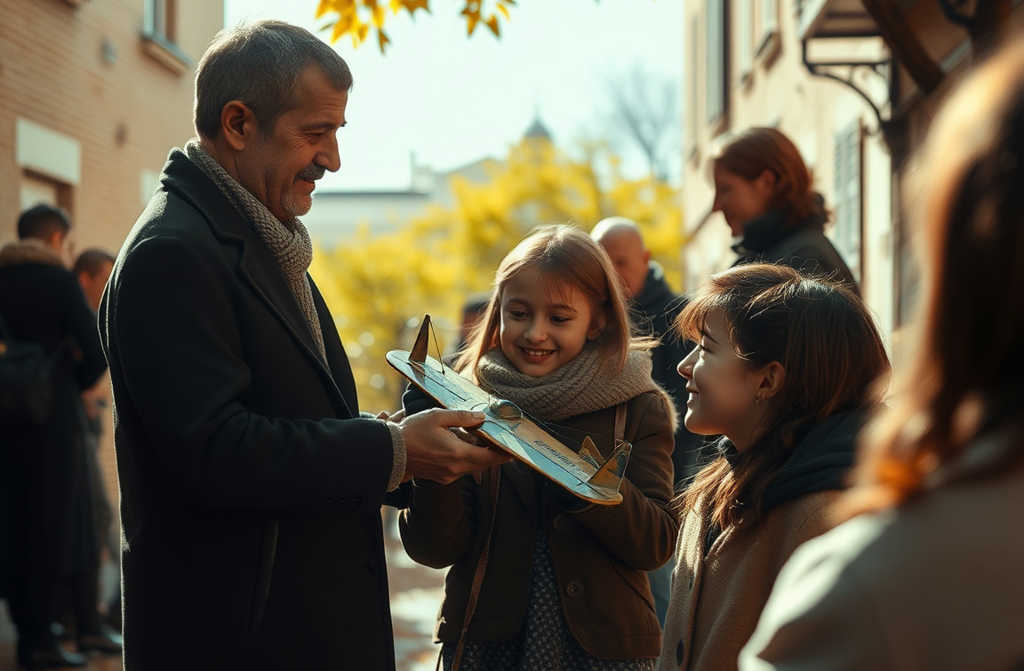
Saturday arrived with a bright sky. The first guests were Emily from the fifth floor and her brother Ian. Emily ran her finger along the edge of the handplaned block and marveled that it was as smooth as a mirror. I showed her how a correctly set plane blade leaves the board as smooth as glass. Soon a small crowd gathered: the accountant from the third floor, a student of architecture, two boys on scooters. I gave each a quick anecdote. The room was tight, but the air felt light the windows were cracked open, letting out the warm smell of oil and shavings. People listened as if recalling a forgotten respect for work done by hand.
By evening the informal exhibition was winding down, yet a queue formed at the door with questions. Can we come back and bring the kids? Will you run a workshop? My old stool wobbles can you show me how to fix it? Those words warmed me more than any heater could. I promised myself and the crowd that I would return to the bench, even if I never had a formal workshop again.
On Monday I inspected a halfbasement opposite my block that might serve for a oneoff class. The bulbs were dim, the concrete smelled of dust, but the space would have been enough. The landlord was brusque. He refused a single session and handed me a notice: From 1October the rent will increase threefold. The paper rustled dryly, like late autumn leaves underfoot. The clause cited a onemonth notice in the lease legally sound, with nothing to argue about.
That night, sitting at the kitchen table, I watched the street lamps flicker as a gust sent the last golden linden leaves swirling past the entrance. In my mind I saw the empty workbench and the faces of people who had only just begun to find value in my craft. A heavy feeling settled in my chest: if I lingered, the exhibition would remain a solitary flash, and everything else would slide back beneath the bed.
The next morning I stepped into the courtyard, pocketing the rentincrease notice. The groundskeeper was raking damp leaves, schoolchildren trudged in with backpacks slung over one shoulder. On the bench, Emily waited for her mother, a small wooden board in her hands a perfectly planed surface with a neatly cut letter E. She beamed and showed the splinters on her fingers, proud of her handiwork with her grandfathers saw. In that instant I saw the line from my old plane to her new letter. I breathed the cold air and noted the open space between the houses: a smooth stretch of pavement, a long bench, a table for dominoes. No heat lamps needed yet; winter still had time.
I printed a handful of flyers: Tuesday, fivep.m., our courtyard, lesson on wood joints. Ages seven to seventy. I taped them to the communal notice board with blue painters tape.
On Tuesday I hauled a foldup workbench with clamps from the loft, strapped it with transport strap and moved it into the yard. I spread a tarpaulin near the bench, laid out two planes, a saw, a box of chisels and a sack of sandpaper. I hung a homemade sign on a low branch: Lesson today, fivep.m. Passersby stopped, smiled in surprise and asked if it would be noisy. I answered, Only the tap of the hammer, the whisper of shavings and a few stories. A little clatter is healthy. I tucked the rentincrease notice inside a book at home, as if erasing it from todays agenda.
The first street session began under a grey sky. Light faded early, but we had an hour before dark. Four children, two adults and the curious groundskeeper, who never let go of his broom, gathered. I demonstrated how to read the grain to judge dryness, how to split a board with a quarterinch chisel, why patience is the key to a dovetail joint. I let the kids try, corrected their grip, cracked jokes and recounted tales of old masters who once built stage sets, staircases and window frames. The wind carried dry leaves across the pavement, while shavings fell in neat curls beside us.
When the street lamps flickered on, I packed the tools back into the case and looked at the faces, flushed with cold and enthusiasm. Emily asked if I would return tomorrow. Ill be here, unless anyone objects, I said. The adults exchanged glances and offered to bring a thermos of tea to keep the children warm. Someone suggested posting the next meeting in the blocks WhatsApp group. In that moment I realised I would never go back to solitary isolation.
The groundskeeper, still sweeping, called out, Master, could you sharpen the handle of my spade tomorrow? I nodded, Tomorrow it is. The decision to hold the lessons in the courtyard, made only hours before, had taken on a life of its own. Even without a formal workshop, the craft could not be locked away.
Evening settled quickly, shadows stretched, the air grew chillier. I walked back to my flat, tools in both hands, feeling a pleasant weight. The stairwell light flickered on as I passed, and I glanced back at the yard where leaves still danced and the faint aroma of fresh shavings lingered in the cool air. There was no turning back.
A few days later the third openair class took place. The weather was brisk, a hint of winter in the air, yet children and adults kept coming. Snowflakes briefly brushed the work surface before disappearing under eager fingers. Wrapped in scarves, participants cherished their creations tiny stools and wooden boxes that felt twice as warm in their hands.
Encouraged by the communitys response, a group of residents wrote to the local council, describing the popup workshops and asking for support. The council replied kindly, promising to look into possible funding.
The following morning, as I was setting the bench back in its usual spot, two council officers arrived. They represented the cultural services department and wanted to learn more about the initiative. After watching a few participants carving, they suggested a meeting to discuss a permanent space for the workshop.
I invited them in for a cup of tea. Their interest sparked hope; we talked about potential venues and grants that could sustain the project.
By late December the council announced that an old, unused building would be refurbished as a community workshop. The space had sat idle for years, and I felt a surge of confidence that I could finally work under a roof again.
Stepping into the renovated hall at the start of the new year, I was greeted by bright light flooding the room and walls that seemed to beg for the scent of fresh shavings and oil. I knew these walls would bear countless stories of labour and imagination not just mine. The future lay before me like a smooth board, waiting for a steady hand and a plane to shape it.
Personal lesson: a craft, like any passion, thrives when shared; the more you let others join the workbench, the richer the grain becomes.