Hey love, Ive got a little story for you about what happened in our corner of the county the other night youll get the vibe straight away.
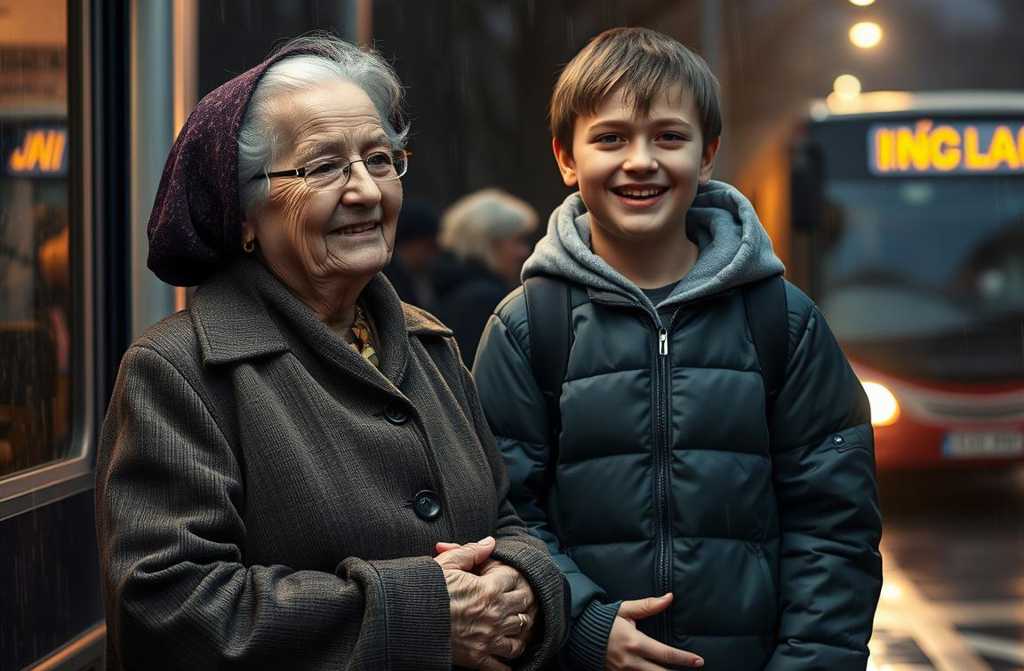
The evening sky over Brookfields market town was dimming fast, like someone had just flicked the lights off. At exactly six oclock the street lamps on High Street clicked on, and the wet tarmac gave a faint glow from the glass globes above. By the bus shelter, where the bench still had smudges from damp leaves, a familiar crowd had gathered: a few school kids with backpacks, two retirees Margaret Hughes and John Thompson and a couple of younger folks. We were all waiting for the last service that usually shuttles us out to the surrounding villages.
A fresh notice was stuck to the timetable board, in big block letters: From 3November2024 the 7:15pm evening bus is withdrawn for being unprofitable. County Council. Everyone read it at the same time, but no one said a word out loud. Only Tom, the quiet sixthformer, whispered to the girl next to him:
so how are we getting home now? Its a long walk
Margaret pulled her scarf tighter, shivering a bit. She lives in the next village, about half an hour by bus. Walking would be at least two hours on a cracked lane, and the dark makes it scary. That bus is her only link to the pharmacy and the health centre. For the kids its the chance to get back after afterschool clubs before its pitch dark. We all knew that, but nobody jumps at complaining straight away. The chat kicked in later, once the shock settled.
Down the road, at the little shop that always smells of fresh bread and raw potatoes, the talk got louder. Liza, the shopkeeper, was slicing some ham and asked the regulars in a low voice:
Did you hear about the bus? What are we supposed to do now My sister gets home at night too whats she to do?
The older folk exchanged glances, tossing short replies. Someone remembered the neighbours old Ford Fiesta:
Maybe someone can give us a lift? Whos got a car?
But it quickly became clear that there arent enough cars for everyone. John sighed:
Id love to help, but I havent driven anywhere for ages. And my insurance lapsed long ago.
The pupils stood off to the side, occasionally glancing at their phones. Their group chat was already buzzing: who could crash at whose place if the bus never came back? Parents were typing short, nervous messages a few work shifts run late, and theres nobody left to pick the kids up.
By seven the air grew noticeably chilly. A fine drizzle kept falling, making the pavement glisten under the lamps. A small crowd gathered by the shop some waiting for a lift, some hoping for a miracle driver in a passing lorry. After six, traffic was almost nonexistent.
A local activist, Tilly Green, posted on the community Facebook page: Friends! The bus has been axed and were stuck with no way home! Lets meet tomorrow night at the council offices we need to sort this out! Comments piled up fast some offered to organise carshares, others vented at the council, and a few recalled nights theyd spent sleeping in the market town when the weather turned nasty.
The next day the debate moved to the schools front garden and the pharmacy. Someone suggested writing straight to the operator maybe theyd rethink? The bus driver just shrugged:
They told me the evening service isnt profitable Fewer passengers now that autumns here.
A few families tried to set up a rota, taking turns to ferry the kids, but that didnt work for the elderly. One evening Tom and his mates waited half an hour in the rain at the shelter, hoping a friends mum would pick them all up. Her car broke down on the way, of course.
Meanwhile the number of stranded folks kept climbing: pensioners after their clinic appointments, women from nearby hamlets all caught between home and the market town because the timetable suddenly had a blank line.
At dusk the shop windows steamed up with damp; inside, those with nowhere to go huddled for warmth. Liza let them linger until closing, then everyone was left to step back out into the night, hoping for a random bus or a friendly neighbour who might let them crash for the night.
Grumbling turned into anxiety and plain fatigue. The group chats started listing the most desperate: earlyyear pupils, frail Mrs. Margaret Wilson with sore legs, a lady from the third house whos nearly blind Those names kept popping up every evening.
One night the waiting room at the bus station filled up earlier than usual the bus still hadnt shown. The air smelled of wet coats; rain pattered on the roof. The kids tried to do homework at the luggage table, while retirees swapped grocery bags. By eight it was clear nobody would make it home on time that night.
Someone suggested drafting a collective letter to the council right then:
If we all sign, they have to listen!
People wrote down their details names, village addresses and someone pulled out a notebook for signatures. Voices were low now; exhaustion weighed heavier than anger. When the youngest pupil burst into tears, scared of spending the night alone among strangers, everyones resolve hardened.
Together they typed a plea: reinstate the evening service at least every other night, or find another way to get those who rely on the bus home before dark. They listed the number of passengers per village, highlighted how vital the route is for children and seniors, and attached a signsheet taken right there in the hall.
By half past eight the petition was photographed on a phone for email, and a printed copy was set aside for the council secretary the next morning.
No one argued any more about whether to fight for the route or hope neighbours would step up the bus had become a lifeline for a whole bunch of families.
The following day was bitterly cold. Frost laid a white net over the grass by the station, and the glass doors still bore yesterdays handprints and shoe scuffs. The same faces turned up: someone brought a thermos of tea, another shared the latest chat updates.
Talks were now hushed but tense. Everyone waited for a reply, knowing these things dont get solved overnight. Kids kept checking their phones, retirees guessed how theyd manage if the bus never returned. Liza handed out a copy of the petition so nobody forgets we gave it our all, she said.
Evenings now saw the group meeting at the shelter or on the bench outside the pharmacy, not just about the bus but about organising adult volunteers to escort kids, or maybe hiring a minicoach for the hard days. Weariness showed in every step; even the most upbeat voices were softer, as if saving their energy.
In the local Facebook group, updates appeared almost daily: someone called the council and got a vague answer; another posted a photo of the empty waiting room with the caption Were still here, together. Tilly kept posting reports on how many people were forced to find lifts or spend the night in the market town.
It became clear the issue stretched beyond one hamlet or one family. Posts asked for likes and shares so the council would see the scale of the problem.
The councils silence felt heavier than any rainstorm. Folks whispered worries what if they still deem the route unprofitable? What will the people who cant afford to wait an extra hour do? The houses glowed yellow behind frosted panes, streets were almost empty as everyone tried to stay indoors.
A few days later an official reply arrived: the petition had been accepted for review, a passengercount survey would be carried out. They asked each village to confirm how many rely on the service, list school club times, and note healthcentre hours. Teachers compiled student lists with addresses, the pharmacy helped gather patient data from surrounding hamlets.
The whole district started to treat the outcome as a shared concern. Even those whod previously thought the bus was irrelevant began to follow the story it suddenly mattered to everyone.
A week after the petition, the frost had thickened and the roads were slick with ice. A modest crowd gathered outside the council offices, clutching their copies of the letter. Kids with backpacks and retirees in warm coats waited anxiously.
Around lunch, the council secretary handed out a letter from the county leader. The new plan: the evening service will run every other night until the end of winter, with passenger numbers logged in a special register. If the load stays high, daily runs could return in spring.
Emotions were mixed joy, relief, and the lingering weariness of a weeks worry. Some people broke down in tears right at the council doors; kids jumped on each others shoulders in excitement.
The updated timetable was slapped next to the old service cancelled notice. Everyone snapped photos and blasted them to neighbours in nearby villages. In the shops the chatter turned to practicalities:
Good thing theres at least something now I was ready to walk the whole way home
Every other night is a start. Lets see if the council finally gets how many of us there are!
The first restored journey happened on a foggy Friday evening. The bus emerged slowly from the white mist, headlights cutting through the November gloom.
Kids claimed the front seats, retirees settled by the windows, and a few passed quick congratulatory comments:
Look, we did it together!
Lets keep it going!
The driver greeted everyone by name and checked the new passenger list.
Outside, fields and low cottage roofs with smoking chimneys whisked past. Folks stared ahead with a calmer air as if the toughest part of the road had already been travelled together.
Margaret Hughes still felt her hands shake from the excitement long after she stepped off the bus at home. She knows that if anything goes wrong later, the list of signatories from that rainy night will have her neighbours ready to help.
Life in the district slipped back into its usual rhythm, but now each passing glance feels a little warmer. On the bench by the shelter people chat about future trips and thank those who took the initiative that rainy night.
When the bus finally slowed at the central square late that evening, the driver waved at the school kids:
See you in two days!
And that simple promise now sounds way more reliable than any topdown edict.